
Wash and Fold Pricing by Weight: A Practical Guide
Wash and fold is simple for customers: drop off a bag, pick up clean, folded laundry. Pricing it well takes a little more thought. This guide covers how to set a per-pound price that covers your costs, why minimums matter, how to handle separate bags, and which turnaround options and add-ons are worth offering.
Published · CleanerHawk
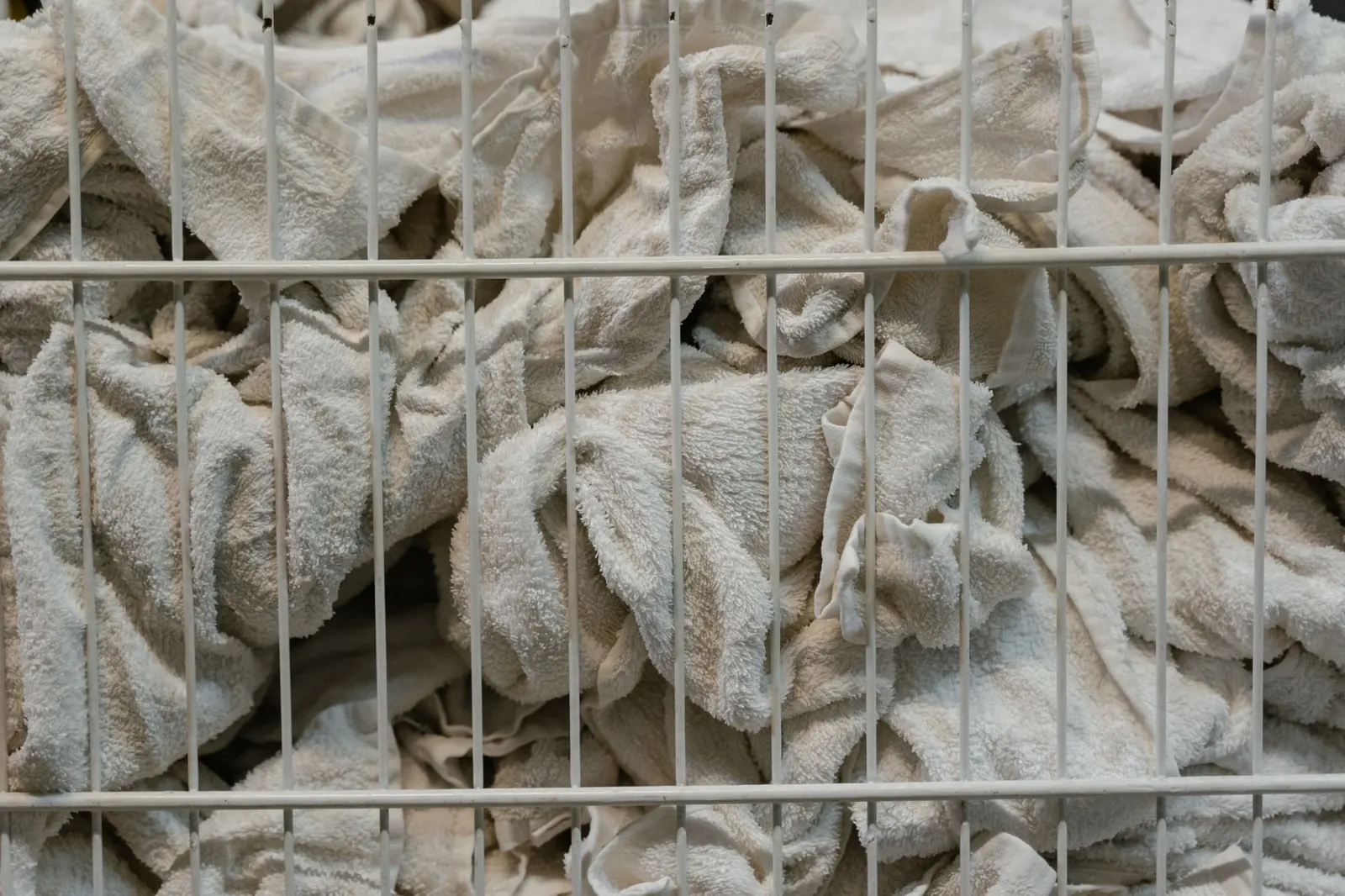
Why wash and fold is priced by weight
Wash and fold items are processed together rather than one at a time. Counting and pricing every sock and T-shirt would take longer than washing them. Weight is a fair, fast proxy for the work involved: more laundry means more machine time, detergent and folding.
Weight pricing is also easy to explain. Customers see the scale, see the price per pound and understand the total. That transparency is part of why wash and fold works well for both walk-in and delivery customers.
Work out your cost per pound
Before picking a number, estimate what a pound of laundry costs you to process. The main parts are:
- Labor for sorting, loading, unloading and folding, which is usually the biggest cost.
- Utilities: water, gas or electricity for washers and dryers.
- Supplies: detergent, softener, bags and packaging.
- Equipment and space: machine payments, repairs and the share of rent used for processing.
Time a few typical orders from intake to bagging and divide by their weight. Folding speed varies a lot between staff and between orders, so average across several. Add your other costs per pound and you have your floor. Your price should sit comfortably above it, with local pricing as a guide to how far.
If you record expenses as you go, expenses and profit reporting gives you real utility and supply figures to work from.
Set a minimum weight or minimum charge
Small orders still need a ticket, a machine cycle, folding and bagging. A minimum keeps them from losing money. Shops typically set either a minimum weight, often in the range of 10 to 15 pounds, or a minimum charge equal to that weight at the standard rate.
Delivery orders usually carry a higher minimum than walk-in orders to cover drive time. Post the minimum clearly at the counter, on your website and in your app, so customers are not surprised at pickup. The same logic applies to dry cleaning ticket minimums, covered in our dry cleaning pricing guide.
Handle separate bags and special requests
Customers often want some items kept apart: whites from colors, a child's clothes from work clothes, or one roommate's laundry from another's. Decide how you will handle this before it comes up:
- Separate wash requests mean extra machine cycles. Many shops charge a small fee per additional load or apply the minimum to each separate bag.
- Multiple customers in one order should become separate tickets, each with its own weight and bag tag.
- Delicates and hang-dry items take more handling and can carry a per-item or per-pound upcharge.
Tag every bag at drop-off so it stays linked to its customer from intake to pickup. With quick drop, bag tags print as soon as the bag is received, and the order can be weighed and priced once it reaches processing.
Price items that do not belong on the scale
Some items do not fit per-pound pricing well. Comforters, duvets, pillows, sleeping bags and rugs are bulky, may need a large machine on their own and take a long time to dry. Price them per item instead of by weight. Garments that need pressing, such as dress shirts, are usually better sent to your dry cleaning or laundered-shirt service at per-piece prices.
Keep a short list of these per-item prices alongside your per-pound rate, and set them up in your counter POS so staff can add them to the same ticket.
Offer turnaround options
Standard turnaround for wash and fold is often next day or within 48 hours. Offering a faster option, such as same-day for orders in by a morning cutoff, can be worth a higher per-pound rate or a flat rush fee.
Only promise what your machines and staff can handle on your busiest day. Same-day orders compete for washer and dryer capacity with everything else, and a missed same-day promise costs more goodwill than the rush fee earns.
Add-ons customers will pay for
Add-ons let customers tailor the service and increase your average ticket without raising the base price. Common ones include:
- Hypoallergenic or customer-supplied detergent
- Extra softener or scent-free washing
- Stain pre-treatment
- Hanging selected items instead of folding
- Sorting by family member
Save each regular customer's preferences on their profile so they apply automatically every time, without the customer needing to repeat them.
Consider subscriptions for regular customers
Households and students who use wash and fold every week are good candidates for a recurring plan, such as a set number of pounds per month at a slightly lower rate, or a weekly pickup at a fixed time. Regular volume makes staffing easier to plan, and recurring pickup and delivery turns these customers into a dependable part of your route.
Keep plans simple. One or two options with a clear price per month are easier to sell at the counter and easier to manage than a long menu. State what happens to unused pounds, whether they roll over or expire, and how overweight bags are charged, so there is no confusion on the bill.
Review your per-pound rate once a year, along with your other prices, as labor and utility costs change. Look at your average order weight, how often customers hit the minimum and which add-ons sell. If most orders sit just above the minimum, the minimum is doing its job. If many orders fall below it and customers complain, consider whether a lower minimum with a small service fee would suit your area better.
Common questions
What is a typical minimum for wash and fold?
Many shops set a minimum of roughly 10 to 15 pounds, or a minimum charge equal to that weight at their standard rate. Delivery orders often have a higher minimum.
Should comforters be priced by the pound?
Usually not. Comforters and other bulky items take a large machine and long drying time, so they are typically priced per item.
Do I weigh laundry before or after washing?
Most shops weigh laundry dry at drop-off, in front of the customer, so the price is clear before any work is done.